Rails to Ruins: Scotland’s Castles on Foot
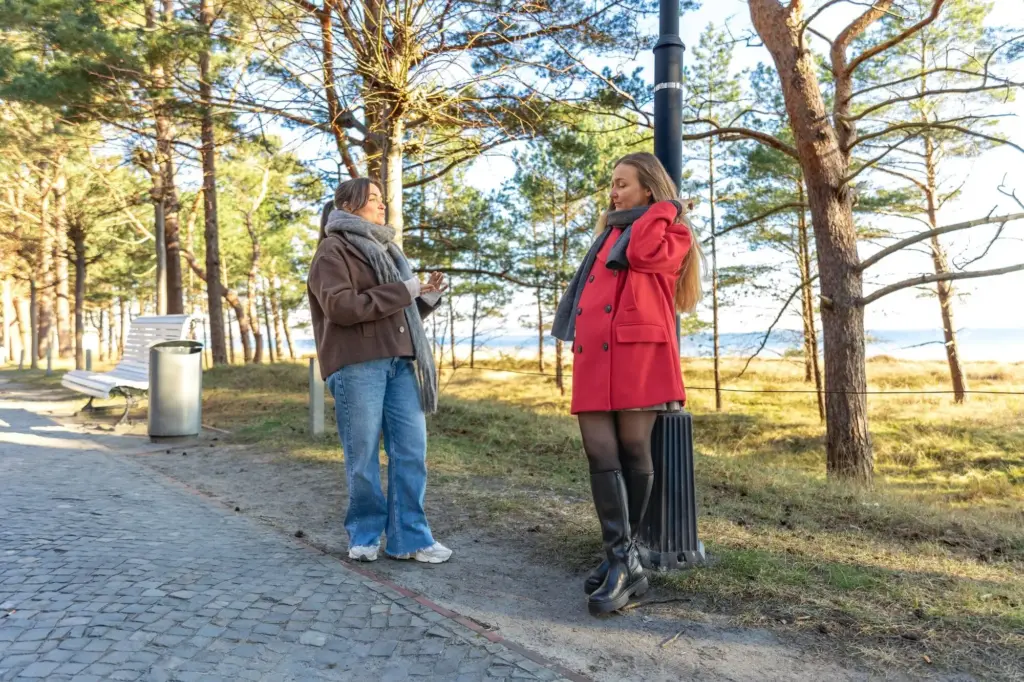
Step off the carriage and into centuries of drama. Today we celebrate historic castle and ruin walks you can reach by train in Scotland, weaving from station platforms to clifftop fortresses, lochside palaces, and riverbank keeps. Expect practical routes, stirring backstories, and evocative photography ideas, all designed for car‑free adventurers embracing slow travel. With off‑peak tickets, comfortable shoes, and curiosity, you can trace royal intrigues in Stirling, feel sea spray below Dunnottar, and circle Linlithgow Loch before your return journey. Share your own station‑to‑castle discoveries so fellow readers can plan brighter, braver weekends.

Planning the Perfect Rail-to-Castle Day

Make the most of Scotland’s dense rail network by pairing reliable services with realistic walking distances, weather awareness, and ticket savvy. Off‑peak day returns often cost less than parking, while OS Maps or WalkHighlands routes keep you confident. Many fortresses stand within 15–60 minutes of stations, with clear waymarks, cafés en route, and scenic alternatives if winds rise, tides swell, or time grows short.

Timing trains, queues, and daylight

Catching an early service secures quiet platforms and shorter ticket lines, then gifts you long daylight for detours. Check station staffing, last entry times at sites, and sunset; winter twilights arrive quickly, while summer’s late glow invites an unhurried, golden‑hour return.

Pack light, layer smart

A small daypack carries waterproof shell, warm mid‑layer, hat, gloves, refillable bottle, snacks, and a compact headtorch. Trails can turn breezy near cliffs and damp in glens; dry socks and a map‑capable phone, plus a paper backup, keep spirits high.

Wayfinding from the platform

Many stations signpost castles directly; where they do not, follow brown heritage signs, local core path waymarks, and obvious ridgelines or headlands. Download offline maps before tunnels, screenshot key junctions, and note return trains so exploration never feels rushed.

Stirling Castle via the Old Town climb

From Stirling station it’s an invigorating 15–25 minute ascent past Victorian terraces, the Thistle Centre, and winding medieval closes. Pause by the Church of the Holy Rude, then crest the esplanade to panoramas where kings were crowned and rebellions were weighed carefully.

Linlithgow Palace and lochside circuit
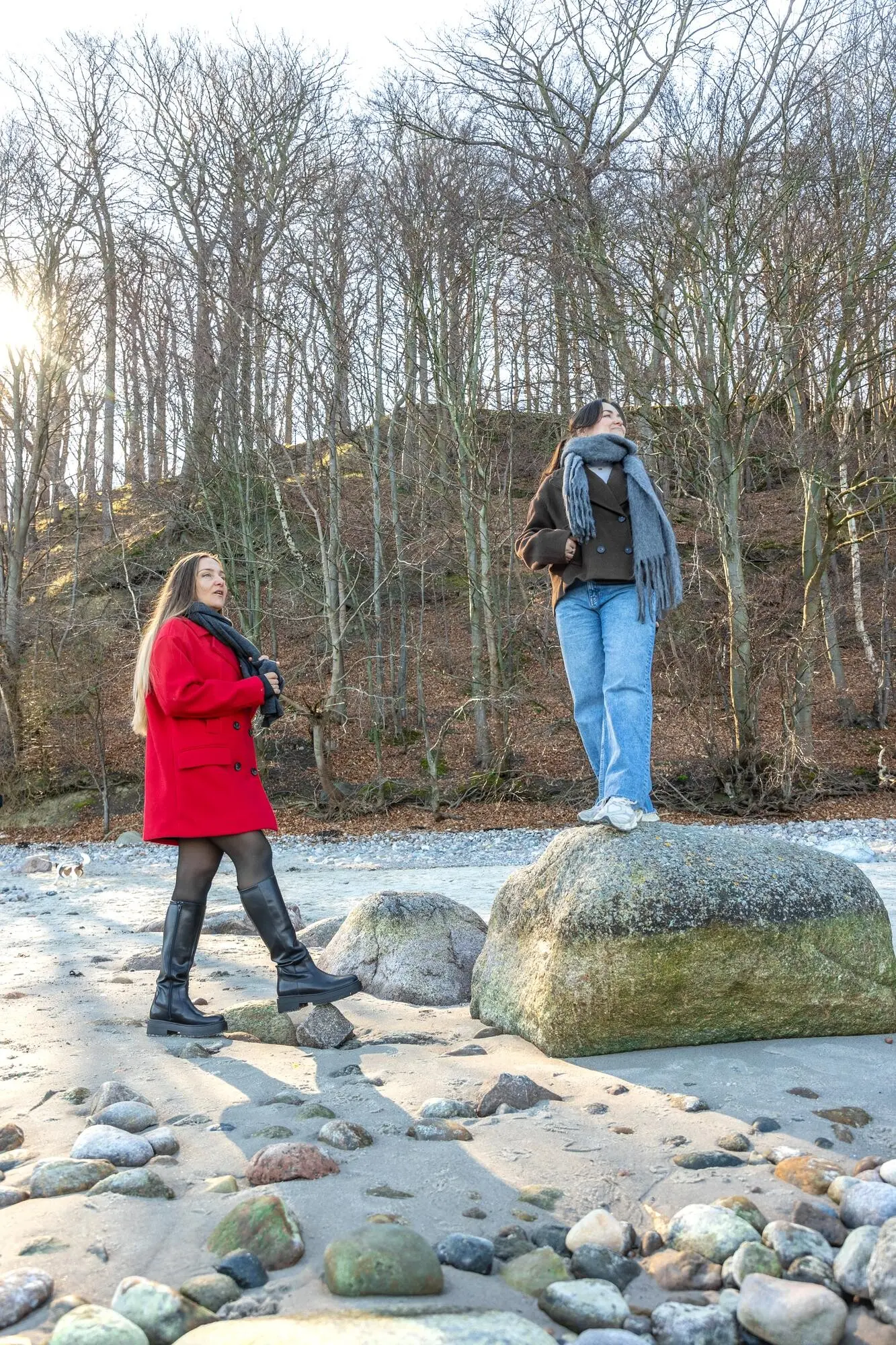
Step off at Linlithgow and wander five relaxed minutes to the palace, then continue a flat circuit around the loch among swans, reeds, and reflections of ruined windows. Picnic spots, play areas, and trains every half hour make lingering easy.

Dunnottar Castle from Stonehaven’s promenade
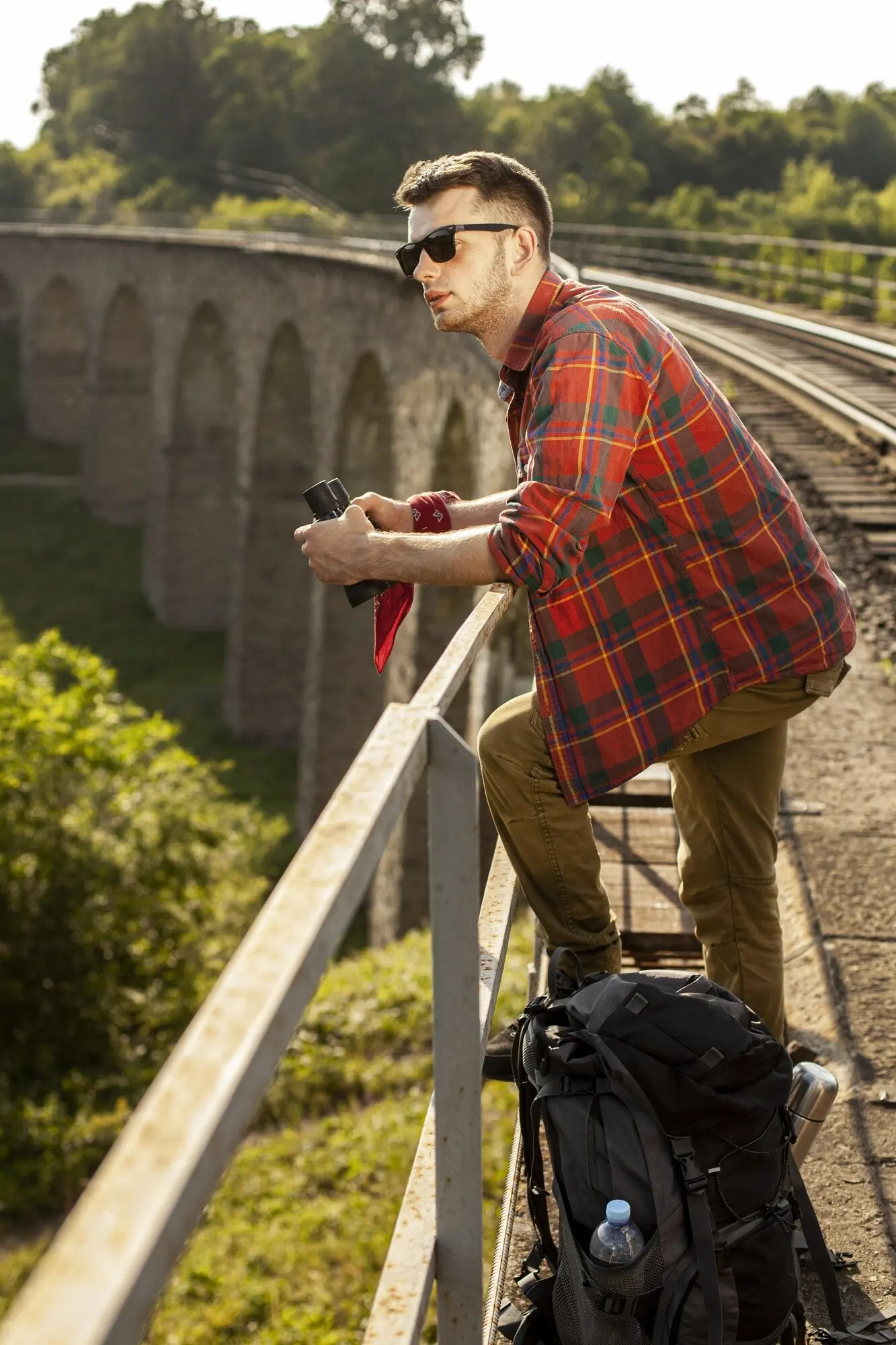
Leave Stonehaven station, descend to the shore, and follow the boardwalk and clifftop path south, watching the sea darken and brighten beneath. The round trip is roughly six to seven kilometres; allow time for steep stairs, sudden squalls, and long, awe‑filled pauses.

Tantallon’s red sandstone via North Berwick
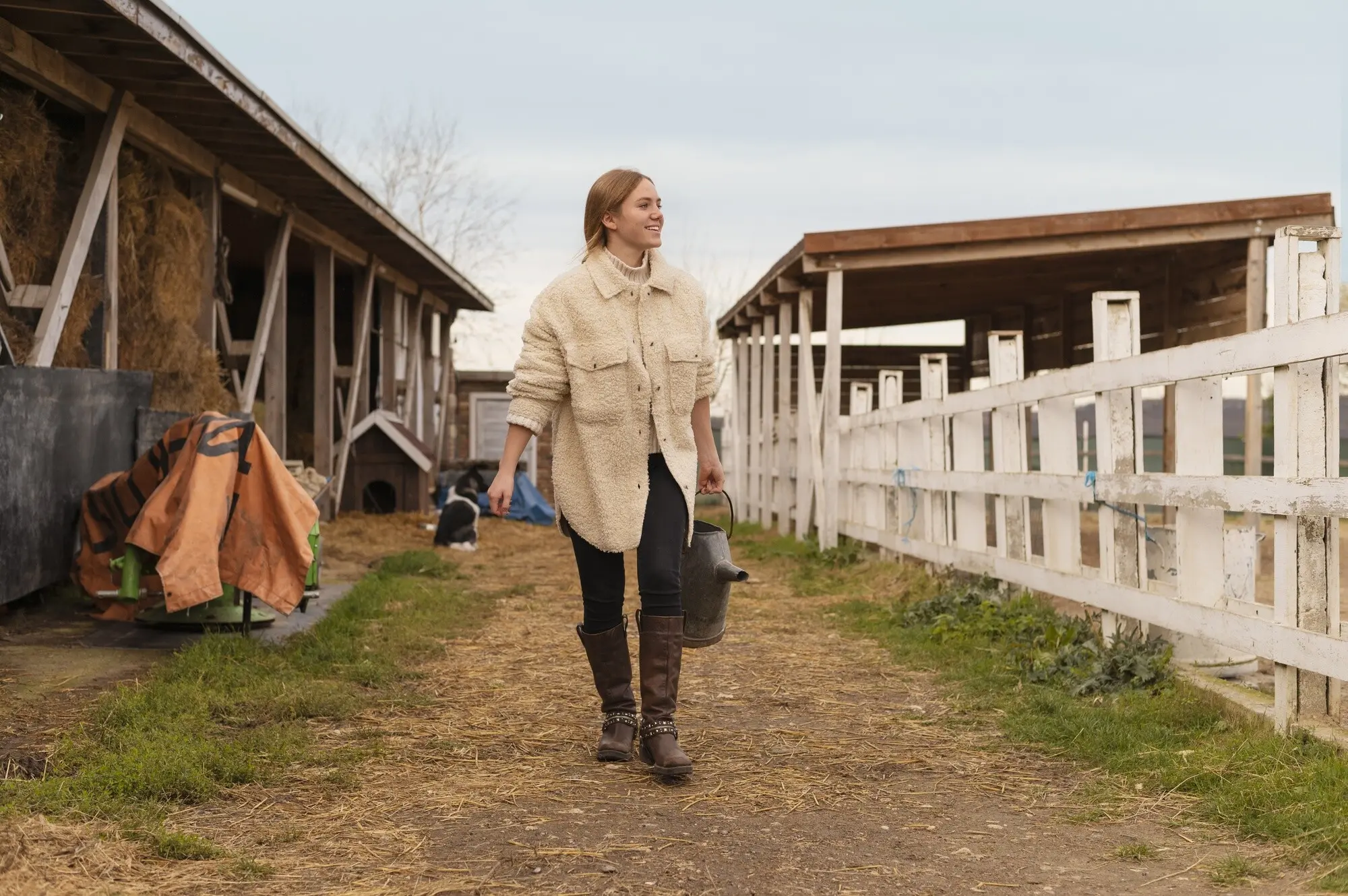
Alight at North Berwick and cross town to beaches where the Bass Rock looms white with gannets. Country lanes and coastal paths lead three to four miles each way; sturdy shoes and a weather eye turn the journey into half the joy.

Dunbar’s harbour ruin and sea walls

From Dunbar station, lanes drop toward the harbour where broken battlements cling to volcanic rock. Listen for eiders, feel spray whip the pier, and trace interpretive plaques that summon centuries of sieges, shipwrecks, and quick escapes back to the rails.

Clydeside Strongholds: River Walks and Basalt Heights
West of Glasgow, trains weave along the Clyde toward storied promontories and shipbuilding towns. Expect broad pavements, leafy riverside paths, and sudden volcanic crags where stairways climb to beacons. History here smells of salt, iron, and wild garlic beneath spring canopies.

Dumbarton Castle from Dumbarton East

Alight almost beneath the rock and follow signs five brisk minutes to the gate. The ascent is steep, but platforms below the twin peaks offer rests and sweeping estuary views. Check opening times; winter winds can close exposed vantage points quickly.

Bothwell Castle by the Clyde Walkway

From Uddingston station, cross the bridge and join riverside paths shaded by beech and oak. The red sandstone keep appears through leaves like a memory returning. On wet days, expect puddles and soft verges; drier spells reward with picnic‑worthy meadows.

Newark Castle at Port Glasgow

Step from the platform to a waterfront tower house set amid shipyard ghosts and river light. Short pavements link benches, plaques, and viewpoints where terns twist overhead. Time trains to linger at sunset when the Clyde turns glassy and gold.

A Weekend Without a Car: An Anecdotal Itinerary

Here’s a true‑to‑life rail ramble stitching together variety and ease. With one small bag and a flexible off‑peak ticket strategy, you can climb royal ramparts, stride salt‑sprayed headlands, and loop a palace loch, all while sleeping soundly and spending wisely.

Chasing light, avoiding crowds

Golden hour warms sandstone and opens textures in worn steps and arrow slits. Midday glare can bleach sea and sky; cloud and drizzle often reveal moodier detail. Weekday trains, early departures, and patient returns keep compositions spacious and restful.

Wind, edges, and good decisions

Gusts rise unexpectedly near promontories; stow hats, secure straps, and keep both hands free on stairs. If waves are surging or paths feel greasy, step back and choose a safer angle. The photograph you miss is the injury you avoid.

Leave places better than you found them

Pack out litter, stick to paths to protect archaeology, and give resident communities courtesy by using bins and supporting local cafés. Share trip details that encourage rail access and responsible timing so others experience beauty without pressure on fragile sites.

Photography, Safety, and Care for Place

Clifftop castles demand attention to light and footing as much as lenses. Arrive early or wait late for side‑lit textures and quieter paths. Stay behind barriers, respect signage, and give wildlife space. Buy tickets where required; your support helps conserve fragile stones.
Lorikiravirolentovanimira
Privacy Overview

This website uses cookies so that we can provide you with the best user experience possible. Cookie information is stored in your browser and performs functions such as recognising you when you return to our website and helping our team to understand which sections of the website you find most interesting and useful.